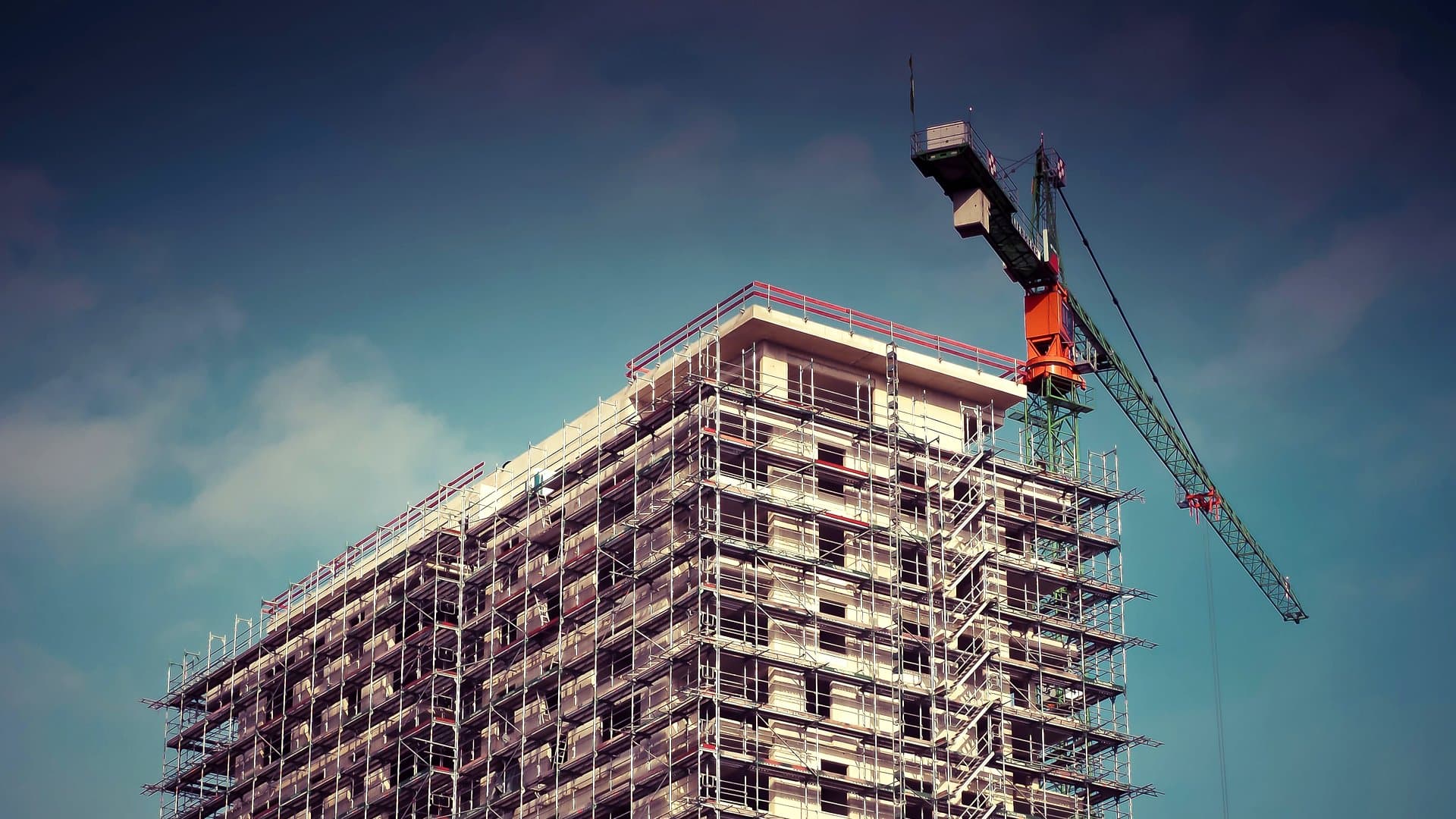
Scope risk management
The number was set at feasibility; the design develops for eighteen months after it. CIM reads every revision against the brief you underwrote, flags the scope the design has picked up, and cites each finding to the page. You see it while the drawing is still cheap to change.
Trusted by leading Australian builders








“CIM Build pointed to new opportunities to de-risk project documentation and procurement.”
 David Chandler OAMFormer NSW Building Commissioner
Where the drift starts
Every developer-builder carries it alone
You underwrote the project on a brief and a concept set, then handed it to consultants you engage and a delivery team you employ. Everything after that is design development, and design development adds - a slab thickens, a facade system changes, the services reservation grows. Each change is defensible on its own and none of them arrive as variation, because there is no counterparty to raise one against. Eighteen months later the cost report catches up with decisions nobody costed at the time.

Where it costs you
It comes off the return, every time
A change found late costs rework and the holding time to fix it
Nobody is checking your consultants except you
The gap in your risk register
The bottleneck is human review capacity
Every revision lands as hundreds of sheets, and one person reads them between site walks and consultant meetings. The unclouded changes slip past the desk and surface months later as rework nobody priced and time you carry, while review capacity stays flat and the return absorbs the difference.
Introducing CIM
Scope risk, managed from feasibility to practical completion
With CIM, your team gets through the analysis faster and catches more of what matters. Every revision comes back as flagged findings, cited to the page, ready to be signed off and sent straight to the right register - in your spreadsheets or in Aconex, Procore or ACC.
Swipe for the next screen
Design risks · L3 fit-out
Drawings read against the specification
Checked 14 Mar
Drawings
- A-301 Rev DLevel 3 plan
- A-501 Rev CWindow schedule
- A-601 Rev DDoor schedule
Specification
- Access cl. 4.2Corridor widths
- Glazing cl. 3.4Glass types by location
- Hardware cl. 5.2Fire door closers
DR-121Corridor at grid C is 1140 mm; spec cl. 4.2 requires 1200 mmA-301 Rev DAccess cl. 4.2Conflict
DR-114Glazing spec cl. 3.4 calls for 10.38 laminated; A-501 schedules 6mm toughenedA-501 Rev CGlazing cl. 3.4Conflict
DR-116Door hardware spec cl. 5.2 wants closers on every fire door; A-601 lists 4 withoutA-601 Rev DHardware cl. 5.2Review
Every sheet read against the clauses it touches. Each conflict lands in the register with the sheet and the clause beside it.
A-301 Rev D · Level 3 plan
Grid C · opened from DR-121
Conflict
Corridor width at grid C: 1140 mm measured on the sheet, 1200 mm required by cl. 4.2.
Set read 14 Mar, 08:40 - 3 issues against the specification
Six components.
Built as one.
The whole system
Project intelligence, working as one.
Your models, data, Elements, knowledge, safeguards and delivery connect inside one system. Every revision adds context. Every finding brings the evidence with it.
Every component is already at work. Scroll to explore its role in the whole.
Scroll to explore ↓
Outcomes
The design stops moving the number without anyone noticing.
Every revision checked against the brief you underwrote
Every issue read against your brief and the other disciplines
The sales documents checked against the current set
A dated record of every change, built as the job runs
What the industry says
“CIM Build pointed to new opportunities to de-risk project documentation and procurement. It's pleasing to see how the transformation of construction is accelerating now that the serious players have embraced what good looks like. The days of starting projects with only part documentation are now in the rear view mirror.”
David Chandler OAM
Former NSW Building Commissioner
Why we built CIM
“I've sat through too many design meetings where everyone assumed someone else had checked it. Drawings were technically ‘issued’, procurement moved and the risk only showed up once money was already committed. CIM exists to identify those risks early - before they turn into arguments, delays, or margin erosion.”

Kevin Le
Co-Founder of CIM Build · a decade managing construction projects