Our Mission

Kevin Le
Ten-plus years project managing high-end residential, commercial and fit-out for major builders.

Jacky Wong
Top 5% in global AI competitions. Built the lessons-learned system a tier-one developer-builder runs on its own project history.
Chapter 01
The problem
When we first started CIM Build, Kevin came to Jacky with a small image of an awning.
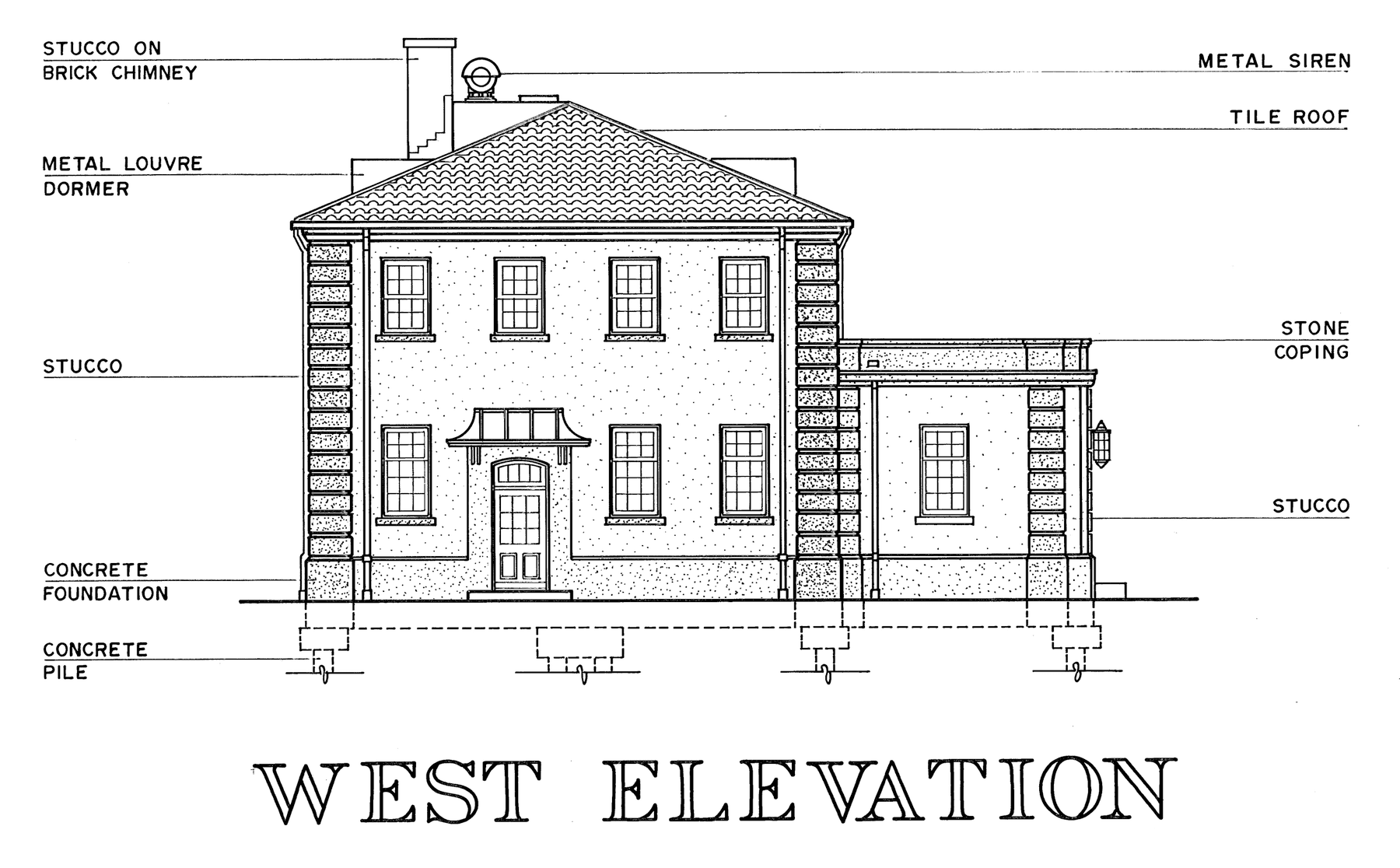
Canopy shown on the elevation only.
Nothing in the structural set.
Steel not priced.
The awning was on the architectural elevation but missing on any structurals, which meant no one priced the steel required to build it. No one noticed until the facade was going up. The structural engineer was called in on short notice, steel fabrication was rushed through, a mobile crane was brought in, and a long argument followed about who was going to pay for all of it. One awning, A$50K. Kevin had spent 10 years in project delivery and knew misses like this were normal. We knew AI could read what no one had time to, so we started CIM Build to read what a human never had time for.
Chapter 02
What is Construction Intelligence Management
CIM reads a drawing set the way the best senior person you've worked with would, given every hour they needed. It checks the drawings against the specifications, the specifications against the IBC and the standards it calls up, and each discipline against the others. It does this before the builder and the developer lock in terms, while a mistake can be fixed via email and not on site.
On that foundation we've built dozens of tools. A few:
Code assessment
Assesses a design clause by clause against the building code.
Report compliance
Checks every consultant report against the drawings.
Revision tracking
Boxes every change between two drawing issues on the sheet.
Safeguard
Holds a package until its scope risk is closed out.
AI-drafted scope of works
Drafts trade scope registers, ready to match against quotes.
Assistant
Ask the set a question and get the answer, cited to the sheet.
It's live today on skyscrapers, banks, underground facilities, affordable housing and hospitals.
Chapter 03
How it got here
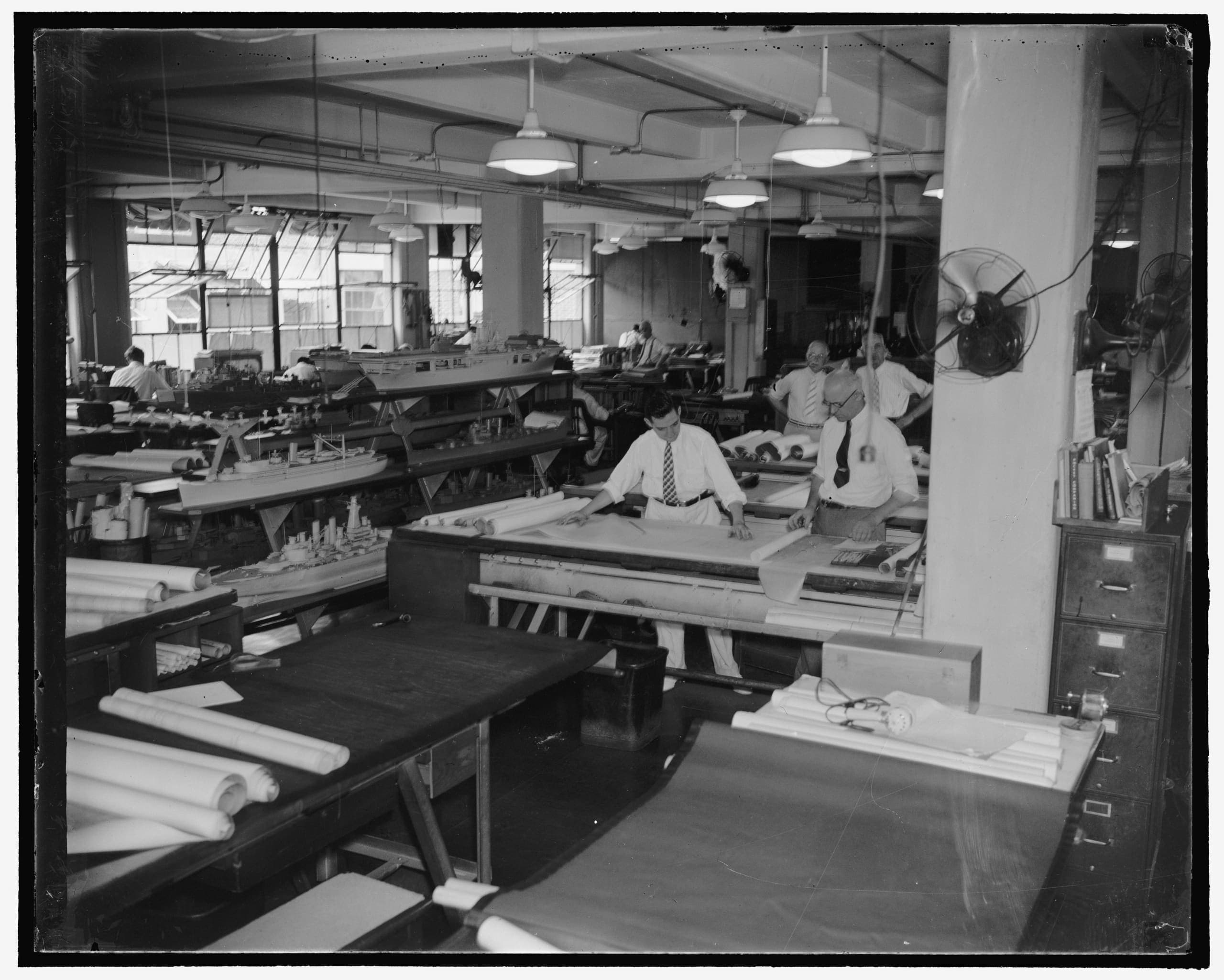
For decades the paperwork could be trusted. Engineers signed what they had checked. Then regulation multiplied, and with it the number of consultants on a job and the number of handoffs between them, so each review got thinner. At the same time the old hands who could see a problem on paper began to retire. New notes crept onto the drawings: by others, refer to specialist, to be confirmed. Some developers learned that under a design-build contract, the thinner the set, the more risk crosses the table to the builder. Each party reviews the part it is liable for, and the set as a whole goes unread.
When a miss gets all the way through, people are evacuated. Even though the code could have prevented every one of those failures, nobody had the time to properly look over the documents.
The full set
Engineers signed what they had checked. The paperwork could be trusted.
Regulation multiplies
More consultants on every job and more handoffs between them, so each review of the set gets thinner.
The old hands retire
The people who could see a problem on paper leave, and the decades of experience they spent building leave with them.
The thin set
Notes stand in for detail: by others, refer to specialist, to be confirmed. Under a design-build contract, every gap is the builder's risk.
Chapter 04
Reading for intent
BIM was meant to fix this, and it does catch the duct running through the beam. That is geometry, and geometry is the easy part.
The awning never clashed with anything. It fell between people: the architect meant it, the engineer never saw it, and the steel package never carried it. Most of the risk lives there, in what a set means, and it surfaces as a specification that contradicts a drawing, or a note that moves scope onto a trade that never priced it.
A builder today has to read a set for what it intends, including the things it never quite draws, and hold that reading across thousands of pages at once. That is the problem Construction Intelligence Management exists to solve.
Chapter 05
Construction Intelligence Management
Point a language model at a drawing set and you get a model that doesn't know which drawings it needs to look at to deduce the right information, much like a new grad. There is a lot of work in teaching it what a builder knows: which note is a difference across contracts, how to word a scope of works so the risk lands with the right party, which documents are most at risk of causing rework and so get checked first.
Construction Intelligence Managementis the name we gave to that transfer. The trade's knowledge goes into the reading, so the model sees what the senior person would see, on every page.
Chapter 06
Documentation to site
We started with documents because that is where a builder carries the most risk, and where a mistake is still cheap to fix. The site is next. The same check runs against the building as it goes up, so the built work is held to the drawings and the code the way the drawings are now held to each other. Then the building official signs off on what was actually checked, and the client gets the building they paid for.

Photo: Jean Rebiffé, CC BY 2.0
Kevin Le, Jacky Wong
Cofounders of CIM Build